よく当たるおすすめ競馬予想サイトを紹介!無料予想&有料予想が信頼できるか徹底検証!

競馬の予想を有料販売するいわゆる「競馬予想サイト」は数多くあります。
中には牧場生産者やプロの予想師が自身の経験や独自の情報網を駆使し、真っ当に予想を出し結果を出しているサイトもありますが、詐欺のような手口で全く当たらない予想を高い金額で売りつけるサイトがあるのも事実です。
実際に騙された方も多いのではないでしょうか?
私も何度も何度も高額予想で騙された経験があります。
このサイトは、実際に有料予想を購入して検証したり、的中実績の模造がないか調査することで、悪質サイトに騙される被害者が少しでもいなくなるようにと、競馬歴15年以上の私「橋田」が立ち上げたサイトです。
ここでは、「予想サイトに騙されない方法」や「当サイトが実際に検証した予想サイトおすすめランキング」をご紹介します。
是非、最後までお読みください。

競馬歴15年以上。
悪質な競馬予想サイトに騙され続けて300万以上溶かす。
予想サイトをひたすら検証し続けて優良サイトを複数見つけた結果、月1000万の利益を達成!!
現在は脱サラし、競馬のみで生活。
競馬予想サイトの検証結果を定期的に更新中!
各予想サイトの無料予想の結果をスプレッドシートで公開しています。
悪質サイトは的中実績を模造している!

予想サイトには、ほぼすべてのサイトで的中実績が掲載されています。
以前、私はこの的中実績や口コミを元に予想サイトをピックアップし、予想を買っていたのですが、私の買うプランのみ全く当たらない・・という経験がありました。
「あれ?なんかおかしいな…。」と思いつつも予想を購入し続けましたがそれでも当たらず・・・。
「これは的中実績を模造しているんじゃないか?」という疑いを持つようになりました・・・。
的中実績を調査して、実際の払戻額を毎日のようにチェックしていると数字が明らかにおかしい時があることに気づき、模造しているという疑いが確信に変わりました。
競馬予想サイトには複数プランがあるのですが、購入されていないプランは模造し放題です。
誰も買ってないので、運営会社はやりたい放題やっているのでしょう・・
当サイトでは日々検証しておりますので、模造が発覚した場合は「悪評」サイトとしてご報告致します。
優良な競馬予想サイトを利用すれば回収率500%超えは誰でも可能!

悪質な予想サイトも多いですが、真っ当に運営している予想サイトもあります。
ユーザーにしっかり勝たせ、安定して稼げるサイトもあるのですが、なかなか一般の方が数ある予想サイトの中から優良サイトを見つけ出すのは難しいです。
予想サイトは、ユーザーひとりひとりに担当者がつき、担当者が的中率・回収率の高くなりそうなレースの紹介をしてくれます。
予想サイトで勝つためには、サイト担当者とより親密な関係を築くのが一番重要です!
もちろん全てのレースを100%的中させる予想サイトはありません。
利益を出す上で重要な指数は的中率ではなく、回収率です。
優良な競馬予想サイトは、かなりの回収率を誇っているため、うまく利用すれば、競馬未経験者でも提供されている買い目通りに馬券を購入するだけで、回収率500%を超えるも可能です。
【重賞レース】おすすめ競馬予想サイトを紹介
本項目では数ある競馬予想サイトのなかから特に的中率が高いおすすめサイトをいくつか紹介します。
それぞれのサイトにはほかのサイトにはない独自の特徴があるので、複数のサイトと比較し、自分に合った競馬予想サイトを利用するとよいでしょう。
管理人 橋田
A評価の「BAXIS(バクシス)」「日刊競馬9」「neos」の3サイトは、当サイトが実際に検証していずれも1日で30万以上の利益を出すことに成功した優良サイトです。
登録は全て無料で行えますのでご安心ください。
【A評価】シンケイバ

1点500円 → 払戻額311,600円(623.2倍)
【無料情報】10月9日 東京7R
1点400円 → 払戻額1,068,320円(2670.8倍)
シンケイバは安定した的中力と爆発的な回収力を備えた競馬予想サイトです。
当サイトで検証を行ったところ、4レース中3レース的中となり、合計130万円越えの配当となり、予想力に関しては文句のつけようのない結果となりました。
無料登録で、毎週4レース無料予想が見れる他、10,000円分のポイントがもらえるキャンペーンも実施しているので、登録しておいて損はありません。
これまで利用した予想サイトで満足いく結果を残せなかった人、これから初めて予想サイトを利用したいと考えている方には是非ともおすすめしたいサイトです。
無料予想情報
| 馬券の種類 | 3連複 ワイド |
| 点数 | 10点~15点程度 |
| 対象レース | 全レース |
| 公開日 | レース当日 |
| 提供鞍数 | 中央競馬:土日 |
【A評価】日刊競馬9

1点500円 → 払戻額540,800円(1081.6倍)
【無料情報】1月28日 中京7R 4歳以上1勝クラス
1点1000円 → 払戻額21,000円(21.0倍)
日刊競馬9は、無料予想・有料予想共に安定した的中率を誇る競馬予想サイトです。
当サイトで行った検証では4レース中3レース的中、合計80万円を超える配当を手にすることができました。
無料予想は毎週2レース分の買い目が提供されており、その他「重賞レース徹底展望」や「有力各馬血統解説」など無料で読めるコラムも配信されています。
無料予想情報
| 馬券の種類 | 馬単 馬連 3連複 |
| 点数 | 10点~12点 |
| 対象レース | 全レース |
| 公開日 | レース当日 |
| 提供鞍数 | 土日2鞍 |
【A評価】neos(ネオス)

1点500円 → 払戻額446,650円(893.3倍)
【無料情報】11月26日 東京7R 3歳以上1勝クラス
1点3000円 → 払戻額23,400円(7.8倍)
neosは予想師やシステム担当など各方面のスペシャリストを集めて設立された競馬予想サイトです。
無料登録すると一人一人の直属の投資アドバイザーが担当として配属され、それぞれのユーザーに対して最適な資産形成のアドバイスをしてくれます。
提供される予想精度ですが、当サイトが行った検証では無料予想&有料予想ともに全レース的中と圧倒的な安定感を見せてくれました。
回収率は日刊競馬9には若干劣る印象ですが、的中率の高さに疑う余地はなく、できるだけリスクを抑えて稼いでいきたい方に特におすすめです。
無料予想情報
| 馬券の種類 | ワイド |
| 点数 | 2~3点 |
| 対象レース | 全レース |
| 公開日 | レース当日 |
| 提供鞍数 | 土日1鞍 |
【B評価】横綱ダービー

1点600円 → 払戻額548,100円(913.5倍)
【無料情報】9月3日 小倉7R 千葉ステークス
1点400円 → 払戻額12,440円(31.1倍)
横綱ダービーは「無料予想」にかなり力を入れているサイトです。
「3連複」「ワイド」の2種類の券種で提供しており、無料予想だけでもコツコツ稼いでいくことが可能です。
また他のサイトにはない面白い取り組みとして、新規会員登録をすると無料でガチャを回すことができ、初回の有料予想に限り大幅な割引き特典が受けられます。
LINE、Googleアカウント、Yahoo!IDなど各種アカウントで簡単に登録できますので、無料登録しておいて損はありません。
無料予想情報
| 馬券の種類 | 3連複 ワイド |
| 点数 | 10点前後 |
| 対象レース | 全レース |
| 公開日 | レース当日 |
| 提供鞍数 | 土日1鞍 |
【B評価】EXTRA(エクストラ)

1点500円 → 払戻額627,300円(1254.5倍)
【無料情報】9月3日 札幌3R 3歳未勝利
1点600円 → 払戻額57,660円(96.1倍)
エクストラでは「競馬は投資である」という考えから、稼ぐためのさまざまなプランを用意し、会員一人ひとりの目標を叶えるための手助けをしてくれる競馬予想サイトです。
実際に有料情報の種類は非常に多く、高額なものからお手軽な価格のものまで幅広いラインナップとなっているので、目標金額によって最適なプランを選ぶといいでしょう。
実際に無料情報と有料情報を利用して検証しましたが、大幅なプラス利益という結果でした。
無料予想情報
| 馬券の種類 | 3連複 |
| 点数 | 9点前後 |
| 対象レース | 全レース |
| 公開日 | 日曜日 |
| 提供鞍数 | 1鞍 |
【B評価】ユニコーン(UNICORN)

1点700円 → 払戻額305,830円(436.9倍)
【有料情報】2021年5月29日 中京1R 3歳未勝利
1点500円 → 払戻額158,600円(317.2倍)
ユニコーン(UNICORN)は、サイト内にて「競馬はギャンブルである」ことを言い切っているサイトです。
多くの競馬予想サイトが「競馬は稼げる」「投資になる」とアピールしているなかでギャンブルであると断言しているサイトはそう多くはありません。
そして、ギャンブルであるとはしながらも、独自の研究や情報網によって利益を生み出す方法を見つけ、買い目情報をユーザーに提供しています。
また初心者向けの説明がとても丁寧なのもユニコーンの大きな特徴で、競馬予想サイトをはじめて利用するという人もユニコーンであれば問題なく利用できるでしょう。
無料予想情報
| 馬券の種類 | ワイド、3連複 |
| 点数 | 各10点 |
| 対象レース | 全レース |
| 公開日 | 日曜日 |
| 提供鞍数 | 1鞍 |
【C評価】騏驎(きりん)

1点500円 → 払戻額500,000円(1000倍)
【無料情報】5月7日 中京6R
1点500円 → 払戻額381,850円(763.7倍)
騏驎(きりん)は競馬関係者と独占契約を結んでおり、そこから一般の人には知りえないような情報を多数入手しています。
しかし、それらの情報の中には信憑性の低いものも混じっており、提供された情報をそのまま買い目に反映すると的中率が安定しない可能性もあるため、麒麟では「本物の情報だけを見抜く事」に多くの時間を費やしています。
データや数字をそのまま見るのではなく、データなどから各競走馬のクセを見抜き、舞い込んでくる情報を待つだけではなく、自ら情報提供者の元に出向いてその耳で本音を聞き出しています。
無料予想の的中率・回収率も非常に高く、おすすめの競馬予想サイトです。
無料予想情報
| 馬券の種類 | 馬単、3連複 |
| 点数 | 各20点 |
| 対象レース | 全レース |
| 公開日 | レース前日 |
| 提供鞍数 | 1鞍 |
【C評価】逆境ファンファーレ

逆境ファンファーレはほかの競馬予想サイトとは異なる点が多々あります。
まず会員はクラス制となっていて、無料登録の「オープン会員」ではすべての情報は公開されません。
多くの情報を得たいのであれば、少なくとも会費を支払って「G3会員」になる必要があります。
有料情報も無料会員で利用できるものもありますが、基本的には有料会員の人にだけ有料情報が提供されるといった仕組みです。
無料予想の提供もこのサイトは特殊であり、おすすめの馬番を提供するのみで実際の買い目などは公開しません。
無料予想情報
| 馬券の種類 | おすすめの馬番のみ提供 |
| 点数 | 利用者による |
| 対象レース | 全レース |
| 公開日 | レース当日 |
| 提供鞍数 | 最大8鞍 |
競馬ナックル

競馬ナックルはサイト全体が週刊誌を彷彿とさせるようなデザインとなっています。
競馬ナックルもほかの競馬予想サイトと同じように的中実績を掲載しているのですが、的中しているものだけではなく、買い目として公開したものをすべて見せており、そのなかには的中しなかったものもあります。
的中しなかった買い目を公開していることで逆に的中している買い目は捏造ではないという証明になっているのは大きな特徴といえるでしょう。
またコラムを読むことができますが、こちらのコラムは業界の裏話というものが多く、週刊誌の記事を読む感覚で読むのがおすすめです。
無料予想情報
| 馬券の種類 | 3連複 |
| 点数 | 10点前後 |
| 対象レース | 全レース |
| 公開日 | 毎週土日 |
| 提供鞍数 | 各1鞍 |
三競的中の法則

三競最大の特徴はひとつのサイトで競馬だけではなく、競艇と競輪の予想も公開しているという点です。
予想はすべて同じ人物が出しているのではなく、それぞれ専門の予想師が在籍しているので、どの予想も精度が高くなっています。
また、各競技の注目ニュースもサイト内で公開されています。
ニュースはほかのサイトでも読めるような内容ではありますが、三競を訪れたついでにチェックしてみるのもよいでしょう。
無料予想情報
| 馬券の種類 | 馬連、3連単 |
| 点数 | 馬連10点程度、3連単10~20点 |
| 対象レース | 全レース |
| 公開日 | 毎週土日 |
| 提供鞍数 | 各1鞍 |
ハイボルテージ

ハイボルテージは、競馬をギャンブルや娯楽ではなく「投資ツール」としてユーザーに運用してもらうことを目的に設立されたサイトです。
内部情報に精通したスタッフが在籍しているので、ほかの競馬予想サイトでは得られないような情報を得て予想に生かしています。
ハイボルテージは無料コンテンツがとても充実しているのが大きな特徴で、無料情報の公開や週末に開催される重賞レースの展望、さらにはその重賞レースを過去優勝した競走馬の紹介など、ボリューム満点です。
無料予想情報
| 馬券の種類 | 3連複 |
| 点数 | 15点 |
| 対象レース | 平場か重賞レースのどちらか |
| 公開日 | 毎週土日いずれか |
| 提供鞍数 | 1鞍 |
ハイボルテージの公式サイトはこちらハイボルテージの検証結果をみる
俺の競馬予想

俺の競馬予想は「俺」と「師匠」という覆面を被った2人の人物がサイトを運営している見た目からしてインパクトのある競馬予想サイトです。
「俺」と「師匠」は不定期ではありますが、コラムやブログを投稿しており、これらは会員登録をしただけで読むことができます。
有料情報は業界の裏情報を独自に入手したうえで買い目を決定し、提供しているものが多いというのも俺の競馬予想の大きな特徴のひとつと言えるでしょう。
無料予想情報
| 馬券の種類 | 3連複 |
| 点数 | 10点程度 |
| 対象レース | 全レース |
| 公開日 | 毎週土曜 |
| 提供鞍数 | 各1鞍 |
タ―フビジョン

ターフビジョンは運営責任者が競馬関係の書籍を出版しており、電子書籍としてアップルブックスなどで読むことができるなど、高い信頼性を誇っている競馬予想サイトです。
その信頼性の高さから利用しているユーザーからのニーズも高く、90パーセント近いリピート率を維持しています。
また週末のレースや重賞レースの注目あをコラムにて無料で公開するなど、無料コンテンツが充実しているのも大きな特徴です。
無料予想情報
| 馬券の種類 | 3連複 |
| 点数 | 10点前後 |
| 対象レース | 全レース |
| 公開日 | 毎週土曜 |
| 提供鞍数 | 各1鞍 |
レープロ

レープロは、元競馬関係者が監修しているサイトです。
運営者が競馬関係者ということもあり、普通の競馬予想サイトの取材陣が入り込めないような外厩にまで入り込んで情報を収集することができます。
大手の外厩は、トレセン並みの設備となっていて、ここでの調教もレース結果に大きく影響するため、取材できるのはレープロ独自の強みと言えるでしょう。
また人脈も独自のものを築いており、外部からもさまざまな情報を仕入れて予想に生かしているのもレープロの大きな特徴です。
無料予想情報
| 馬券の種類 | 馬連、3連複、3連単 |
| 点数 | 馬連10点以内、3連複10点~20点、3連単20点~40点 |
| 対象レース | 全レース |
| 公開日 | 毎週日曜 |
| 提供鞍数 | 1鞍 |
血統ウィナーズ

血統ウィナーズは、サイト名の通り血統をもとにして予想を公開しているサイトです。
血統ウィナーズはサイトの運営者の氏素性がはっきりしている珍しいサイトとなっています。
運営者は10年以上競馬情報サイトを運営し、その後血統に注目するようになり、当サイトを立ち上げたという経歴を持っています。
血統ウィナーズでは会員登録をするだけで無料のコラムを読むことができます。
コラムのなかには血統から先週のレースを振り返るようなものもあるので、同じレースを購入していたのであれば、今後の参考になることは間違いありません。
1点1,000円 → 払戻額402,400円(402.4倍)
【有料情報】4月23日 東京11R オアシスS
1点1,000円 → 払戻額184,800円(184.8倍)
無料予想情報
| 馬券の種類 | 3連複 |
| 点数 | 20点前後 |
| 対象レース | 全レース |
| 公開日 | 毎週日曜 |
| 提供鞍数 | 1鞍 |
血統シックス

血統シックスは競馬の予想をするうえでとても重要となる情報のひとつ、血統に注目し、血統をもとにした予想に特化した競馬予想サイトです。
ディープインパクトという大種牡馬がいなくなったこれからの競馬界は血統の見極めがとても難しくなっていくでしょう。
血統シックスはその手助けをしてくれる予想サイトのひとつであることは間違いありません。
また会員登録すると読める無料のコラムがどれも役立つ情報ばかりなので、コラムを読むだけでも入会する価値があります。
無料予想情報
| 馬券の種類 | 3連複 |
| 点数 | 20点以内 |
| 対象レース | 全レース |
| 公開日 | 毎週土日のどちらか |
| 提供鞍数 | 1鞍 |
ヒットメーカー

ヒットメーカーは最新の競馬トレンドも取り入れつつ独自の予想を公開しているサイトです。
ヒットメーカーには3名の馬券師が在籍していますが、そのうち2名は顔と名前を公開しています。
本当の名前や顔かどうかは判断できませんが、馬券師の氏素性をはっきりと公開している競馬予想サイトは珍しいです。
また競馬予想サイトでも珍しい、地方競馬の予想を公開しているサイトでもあります。
休日になかなか競馬ができないという人も、ヒットメーカーであればプロの予想をチェックしながら馬券を購入することが可能です。
無料予想情報
| 馬券の種類 | 複勝、馬連、枠連、ワイド、3連複のいずれか一つ |
| 点数 | 複勝1点、ワイド・馬連・枠連10点以内、3連複10~20点 |
| 対象レース | 全レース |
| 公開日 | 毎週土日 |
| 提供鞍数 | 各1鞍 |
万馬券総合研究所

万馬券総合研究所は、その名称通り万馬券を獲得することに特化した競馬予想サイトです。
競馬で一獲千金を夢見ている人にとっては、とても魅力的なサイトといえるでしょう。
研究に研究を重ねた結果、真の万馬券獲得術にたどり着いたとサイト内では説明されています。
万馬券を集中して狙うということもあり、コツコツ稼ぎたい人には向いていないかもしれませんが、的中した時の爆発力はほかの競馬予想サイトの比ではありません。
無料予想情報
| 馬券の種類 | 3連複 |
| 点数 | 20点前後 |
| 対象レース | 全レース |
| 公開日 | 毎週土日 |
| 提供鞍数 | 各1鞍 |
競馬学会

競馬学会の馬券師はさまざまな経歴の人物が在籍しており、それぞれ独自の方法で予想を出しています。
優良情報の種類がとても豊富なので、いろいろなユーザーのニーズに応えられるというのが大きな特徴のひとつでしょう。
また「新規登録から90日限定」で、購入した有料情報の金額よりも配当金が下回るか、的中しなかった場合は情報量を全額ポイントにて返還してくれます。
無料予想情報
| 馬券の種類 | 3連複 |
| 点数 | 10点 |
| 対象レース | 全レース |
| 公開日 | 毎週土曜 |
| 提供鞍数 | 各1鞍 |
シンジケート

シンジケートは競馬関係者以外からも、あらゆる方向でレースの予想に有益な情報を収集し、予想に生かしている競馬予想サイトです。
競馬は事前情報を収集することで十分攻略ができると自負していることからも情報収集を大切にしていることがわかります。
そして有料情報だけではなく無料情報も買い目情報や重賞に関する情報、コラムなど充実しているのが大きな特徴です。
無料予想情報
| 馬券の種類 | 3連複、馬連 |
| 点数 | 10点程度 |
| 対象レース | 全レース |
| 公開日 | 毎週土日 |
| 提供鞍数 | 各1鞍 |
よろずや

走破タイム、追切情報など、競馬の予想に使用する情報は細分化すると100以上にもなりますが、よろずやは「血統」と「外厩」の情報を特に重要視して予想を出している競馬予想サイトです。
しかしその二つだけではなく、なんでも屋を意味する「よろずや」という名前が示す通り、勝つための買い目を提供するためにはなんでもやると宣言しています。
また、有料情報で利益がでなかった場合、サイト内で使えるチケットという条件月ではありますが「200パーセント還元」という他のサイトでは見られない保証が付いています。
回収率の高さが魅力の予想サイトで、当サイトの行った検証で1撃450,390円の高額配当を的中させたこともあります。
無料予想情報
| 馬券の種類 | ワイド |
| 点数 | 6点 |
| 対象レース | 全レース |
| 公開日 | レース前日 |
| 提供鞍数 | 2鞍 |
アーニングインデックス

1点300円 → 払戻額388,650円(1295.5倍)
【無料情報】3月19日 中京8R 4歳以上1勝クラス
1点1000円 → 払戻額39,300円(39.3倍)
アーニングインデックスとは簡単に言えば「種牡馬の優秀さを示す数値」の事です。
アーニングインデックスは「血統」に注目して予想を出している競馬予想サイトで、血統から各競走馬の得意なレースや走り方などを見抜き、買い目に生かしています。
これまで入手してきた膨大なデータを活用するだけでなく、現地へ赴いて最新の情報もしっかりと仕入れたうえで予想を出してくれている競馬予想サイトです。
的中率が高さに定評があり、コツコツ堅実に稼いでいきたい方に特におすすめです。
無料予想情報
| 馬券の種類 | 3連複 |
| 点数 | 10点 |
| 対象レース | 全レース |
| 公開日 | レース当日 |
| 提供鞍数 | 土日1鞍 |
U-LINE

1点1,600円 → 払戻額694,400円(434倍)
【無料情報】4月23日 福島8R 4歳以上1勝クラス
1点1,600円 → 払戻額1,851,440円(1,160.9倍)
U-LINE最大のウリは「2分で30万円が稼げる」という他の競馬予想サイトの追随を許さないスピードです。
U-LINEはKINEの「友達登録」をするだけで会員登録が完了となるため、2分で30万円が稼げるというのはあながち嘘ではありません。
登録時だけではなく、会員になってサイトにアクセスする際もLINE経由でアクセスすればパスワードなどを入力することなく即アクセスすることが可能です。
無料登録で3万円相当の無料厳選情報がもらえるので、登録しておいて損はないですよ。
無料予想情報
| 馬券の種類 | 3連複 |
| 点数 | 10点 |
| 対象レース | 全レース |
| 公開日 | レース当日 |
| 提供鞍数 | 土日各1鞍 |
【C評価】EDGE(エッジ)
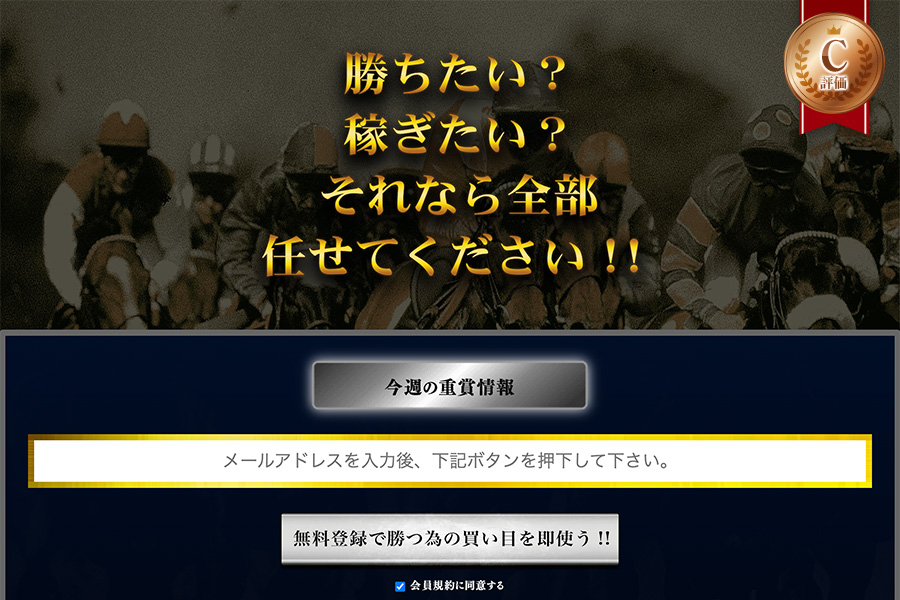
1点500円 → 払戻額245,900円(491.8倍)
【有料情報】3月27日 中京1R 3歳未勝利
1点500円 → 払戻額184,250円(368.5倍)
EDGEは、とにかく馬券を「当てること」に一点集中している競馬予想サイトです。
多くの競馬予想サイトのトップページを見ると、「膨大なデータを覚えさせた最新のAIによって予想を導き出す」「本物の競馬専門予想師が極秘情報を得て予想を導き出す」というように、いかに自分のサイトがほかのサイトよりも優れた予想を出せるかという説明に終始していますが、EDGEではそのような説明は一切ありません。
しかし、それが逆に「EDGEならやってくれそう」と思わせてくれます。
当サイトが行った検証では、4レースで343,150円という利益をあげることに成功しています。
無料予想情報
| 馬券の種類 | 複勝、馬単 |
| 点数 | 複勝1点、馬単20点 |
| 対象レース | 全レース |
| 公開日 | レース当日の朝 |
| 提供鞍数 | 1鞍 |
優良競馬予想サイトかどうかの見分け方

ここで紹介している意外にも競馬予想サイトはたくさんあり、そのなかには高い的中率を持っている優良競馬予想サイトも存在します。
しかしいっぽうで素人同然のデタラメな予想をさも当たるように宣伝し、ユーザーから高い情報料を回収しようとしている詐欺同然の競馬予想サイトも残念ながら見受けられます。
競馬予想サイトを利用する際には、詐欺同然の悪質な予想サイトにだけは引っかからないように注意しましょう。
本項目では優良予想サイトかどうかを見分けるための方法をいくつか解説していきます。
まずは予想サイトの口コミやレビューをチェック

競馬予想サイトは多くの競馬ファンが利用しており、ユーザーのうち何人かは競馬予想サイトの口コミやレビューサイトで実際に利用した感想を投稿しています。
気になる競馬予想サイトが見つかったら、まずはその競馬予想サイトの口コミやレビューなどが投稿されているかどうかチェックしましょう。
もし口コミやレビューが見受けられないのであれば、そのサイトは開設して間もない予想サイトか、あるいはユーザーが少なすぎてレビューの投稿すらされていないサイトのどちらかになります。
競馬予想サイトの入会には人数制限などはありません。
したがって誰よりも早く新しい競馬予想サイトを利用してもメリットは特にないですし、逆に実績がないため、開設されて間もない競馬予想サイトを利用するのは止めておいたほうがよいでしょう。
そして、ユーザーが著しく少ない競馬予想サイトというのは既に悪評が競馬ファンに出回ってしまっています。
たとえサイトの運営を真面目にやっていたとしても、的中しない競馬予想サイトに利用価値はないので、こういったサイトも利用しないほうがよいでしょう。
口コミやレビューをチェックする際に注意しておいてほしいことがあります。
それは「絶賛のレビューしかない予想サイトは疑ったほうが良い」という点です。
競馬予想サイトは素人が得られないような情報を得て買い目を出しているのですが、100パーセント予想が当たるというわけではありません。
どれだけ絶賛されているサイトであっても、外してしまうことはあります。
たまたま不的中のときに有料情報などを利用してしまった人にとっては、その予想サイトは「当たらない予想サイト」となり、悪い口コミを投稿してしまいたくなるでしょう。
したがって、良い口コミと悪い口コミが投稿されている競馬予想サイトのほうがある意味健全です。
もし良い口コミしか書かれていないのであれば、その口コミはサイトを運営している人物か関係者が投稿しているものである可能性が高いので、信用しないほうがよいでしょう。
悪い口コミがあるものの、全体として良い口コミが多いと判断できる野であれば、利用する価値がある競馬予想サイトと判断しても構いません。
退会方法が明確に記載されているか
ユーザーの事を考えて作られている競馬予想サイトは、必ず退会方法についても明確に記載されています。
競馬予想サイトは入会金などは特に発生しないので、無理に退会しなくても放置しておけば特に影響はないのですが、サイトのどこを見ても退会方法が分からないような競馬予想サイトは自分たちの利益を優先していると判断しておいたほうがよいでしょう。
サイトの内容が誇張表現になっていないか
入会前に予想サイトにアクセスすると、自分のサイトの競合サイトにはない強みなどが記載されています。
その内容はほとんどがユーザーに自分のサイトに入会してもらうような表現になっていることが多く、いかに精密な予想をしているかや、これまでの的中実績などが書かれています。
したがって、多少表現が大げさになっている点は否めないでしょう。
そのためサイトの説明は完全に信用せず、どのような予想サイトなのかを冷静に分析しておいたほうが良いです。
ただし、「絶対」「100パーセント」というように、あまりにも誇張表現に終始しているような予想サイトは要注意です。
先ほども少し触れましたが。競馬の予想に絶対はありません。
どれだけ1番人気が強い馬であっても、落馬などのアクシデントがあれば掲示板にすら入らなくなります。
したがって、競馬の予想をしているサイトで「絶対」「100パーセント」という表現は半ば詐欺も同然です。
健全な運営をしている競馬予想サイトは、自分たちの予想がしっかりとしていることはアピールするものの、「絶対」「100パーセント」といった表現をすることは決してありません。
最初は必ず無料予想で検証する
口コミをチェックして、サイトには退会の方法についてしっかりと明記されており、なおかつ書かれている内容に誇張表現がなければ、少なくとも詐欺まがいの運営で情報料を回収してくるような競馬予想サイトではないと判断してもよいでしょう。
ただし健全な運営をしていたとしても、そのサイトの予想が必ず当たるとは限りません。
したがって会員登録してすぐに有料の情報を利用しようとするのはやめておいたほうが良いでしょう。
ほとんどの競馬予想サイトには無料情報があります。
無料情報ではあまり大きく稼ぐことは難しいものの、優れた競馬予想サイトでは無料予想であっても利用し続けていればしっかりプラス収益を確保できます。
まずは何度か無料情報の予想通りに馬券を購入してみて、満足いく結果であれば有料情報の利用を検討すると競馬予想サイトをリスクなく利用することができます。
悪質競馬予想サイトの特徴を解説

残念ながら、競馬予想サイトのなかには素人同然の予想をホームページ上に公開し、その予想をユーザーに対してしつこい営業によって買わせるようなところも存在します。
さらにそういったサイトはひとつやふたつではなく、数多くあるというのが現状です。
悪質予想サイトにはいくつかの共通する特徴があるので、その特徴を見極めることができれば引っかかることは少なくなります。
本記事では悪質予想サイトの特徴についていくつか解説していきます。
的中実績の捏造に注意
悪質な競馬予想サイトは、デタラメな予想をしているわけですから、優良な競馬予想サイトのように年に何十回も的中させられるような実績を積むことができません。
したがって、悪質予想サイトが掲載している的中実績というのは捏造であるケースがほとんどです。
たとえば、実際の着順とは全く異なる着順で「的中した」とアピールしているようなサイトもありますし、ドメイン取得日が2020年なのに2019年の的中実績を掲載しているようなサイトもあります。
的中実績が捏造かどうかはサイトの内容だけで見抜くことは難しいです。
ですから、どのような予想サイトであっても、登録前に的中実績が本当にその着順になっているのかどうかを確認しておきましょう。
自作自演の口コミ
たいていの競馬予想サイトには実際に利用した人たちからのレビューや口コミが掲載されています。
悪徳予想サイトをうっかり利用してしまい、被害に遭った人たちはみな悪い口コミやレビューを投稿するでしょう。
そのままにしておくと悪評だらけになってしまい、そのレビューを見た人たちは利用しようとも思わないので新規ユーザーを獲得できません。
そこで悪徳競馬予想サイトの運営者または関係者たちがどんどん絶賛の口コミを投稿します。
自作自演の絶賛口コミが多数投稿されているのも悪徳競馬予想サイトの特徴です。
具体例も出さずただ当たったということだけを強調しているような口コミや、絶賛している人の口コミと悪い口コミとの内容の差があまりに激しいところは注意しておいたほうがよいでしょう。
まとめ
競馬予想サイトは、一般の人たちには不可能な方法でレースに関する情報を入手し、そこから着順を予想して買い目情報をユーザーに公開しています。
買い目情報は有料のものもありますが、無料情報も存在しており、優良な競馬予想サイトをうまく活用すれば無料情報でも十分プラス収益にすることができます。
本記事にて紹介したいくつかの競馬予想サイトは数ある競馬予想サイトになかでも利用価値が高いものとなっているので、自分の馬券の買い方などを加味しながら最適な競馬予想サイトを選ぶとよいでしょう。
ただし入会する前にはかならずそのサイトの口コミや評判をチェックし、大会方法が明確に記載されているかを確認したうえで入会し、まずは無料情報を使って予想精度が高いかを検証してから有料情報を利用するようにしてください。